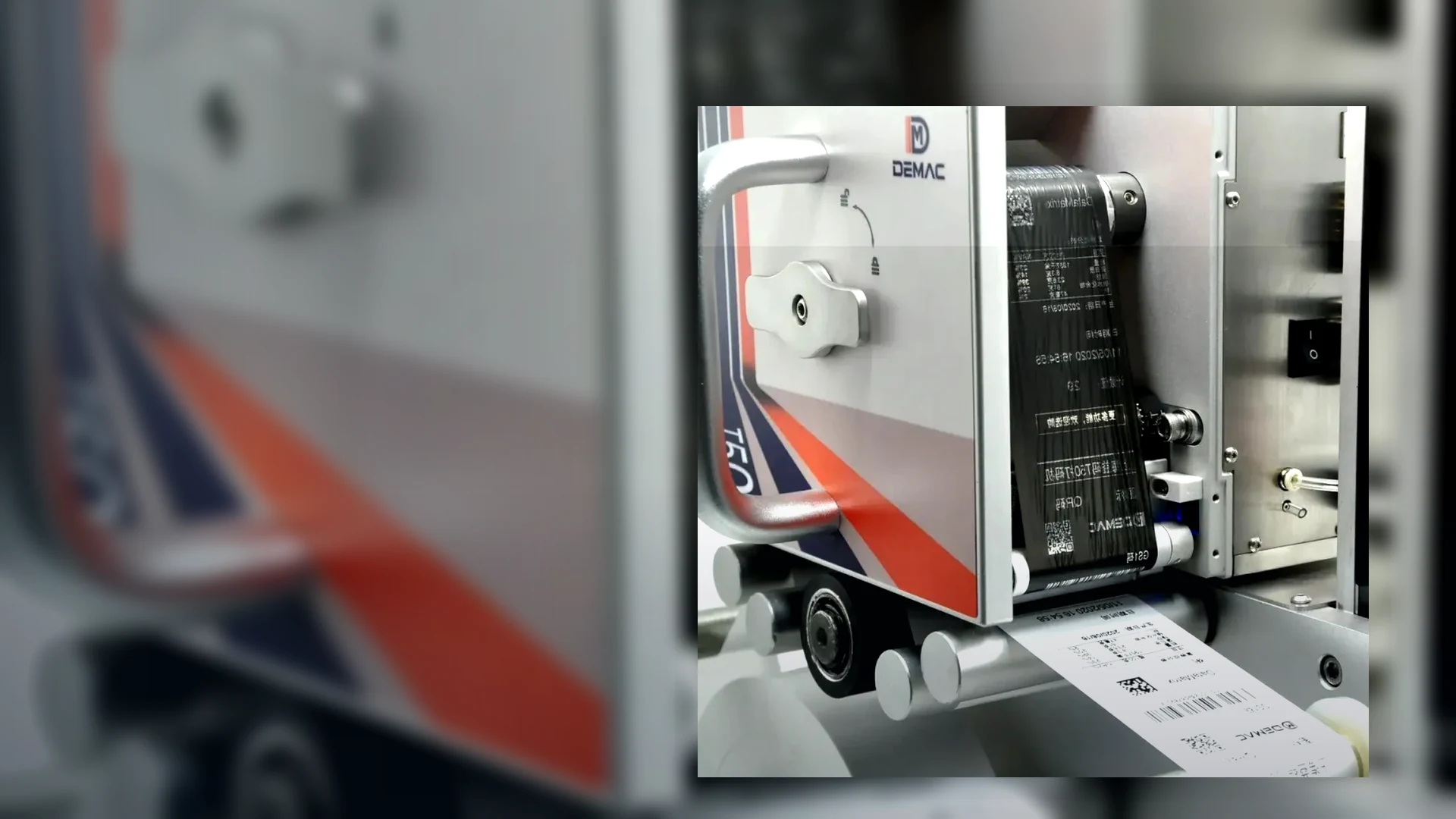
How to choose an inkjet coder
A practical buyer guide for substrate, speed, code size and integration.
View details →Flexible inkjet coders for co-packers and contract packers handling frequent product changeovers, mixed substrates and variable date or batch code requirements.
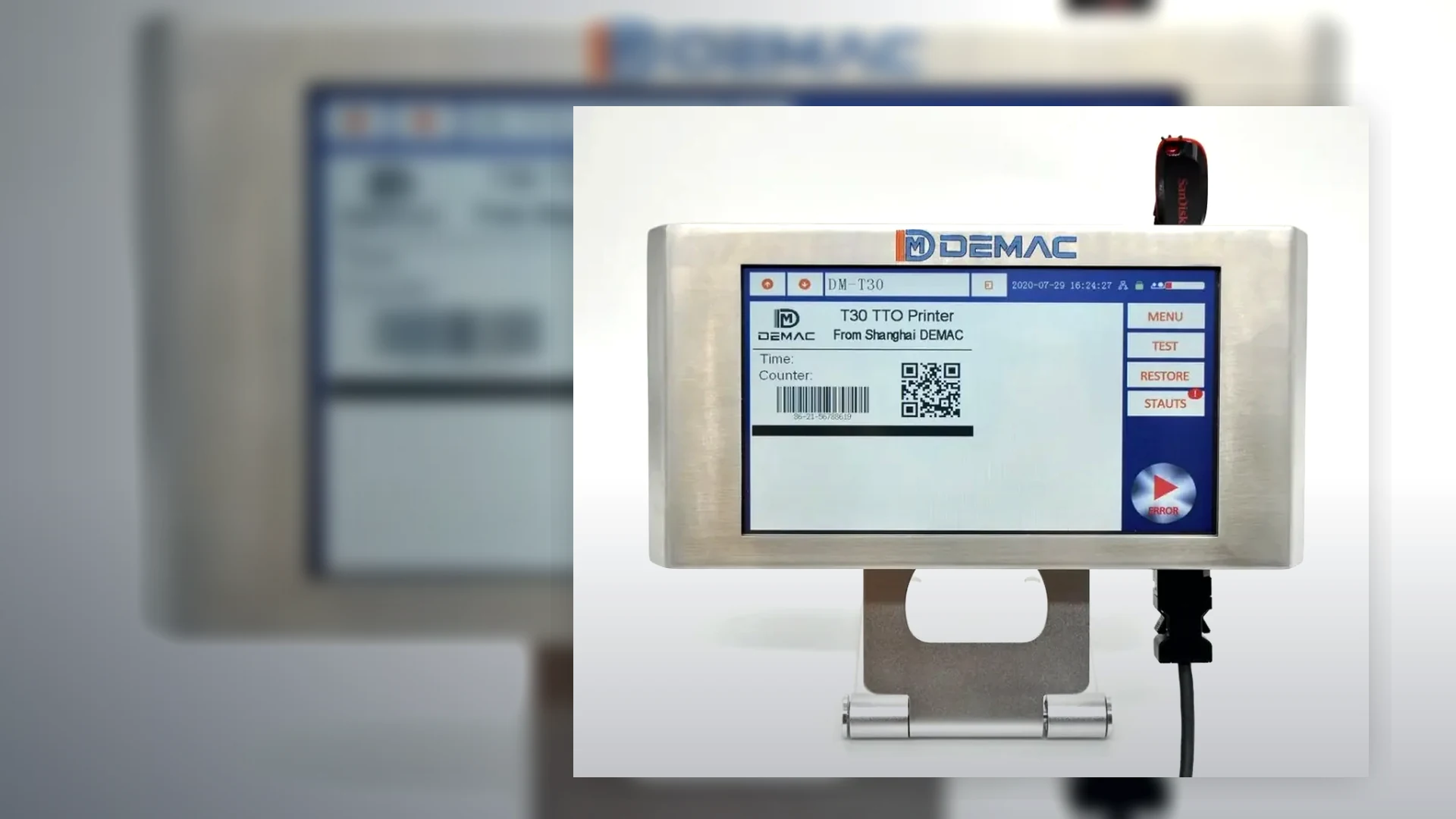
Contract packing sites often need one coding system to cover different product sizes, substrates, code formats and customer requirements. The right setup should make job selection, print position adjustment and operator changeover straightforward.
| Typical packs | Mixed bottles, cartons, pouches, labels, sleeves, tubs, trays and cases |
|---|---|
| Common print | Date, batch, lot, customer code, line ID, QR code and barcode |
| Main considerations | Changeover speed, product adjustment, job control, sample testing and operator training |
| Related options | Choose an inkjet coder, inkjet coding checklist and packaging line traceability |
A good recommendation starts with the product material, required code, speed, code position, production environment and whether the code is being applied to the primary pack or outer packaging.
Send it with your enquiry so the coder type, bracket position, print head access and ink choice can be reviewed properly.
Compare related coder types, applications and specification guidance.
A practical buyer guide for substrate, speed, code size and integration.
View details →Information to gather before requesting a coding machine recommendation.
View details →Coding, sensors, verification, rejects and data capture for production lines.
View details →Send pack photos, code artwork, material, speed, code position and available line space. Lancing can then advise on the most suitable inkjet coding route.
Tell us what you need to code and where the coder has to fit on the line.